How Does Yoga Benefit Trekking? 8 Powerful Ways Yoga Transforms Your Himalayan Adventure
Last updated on Jun 3, 2026
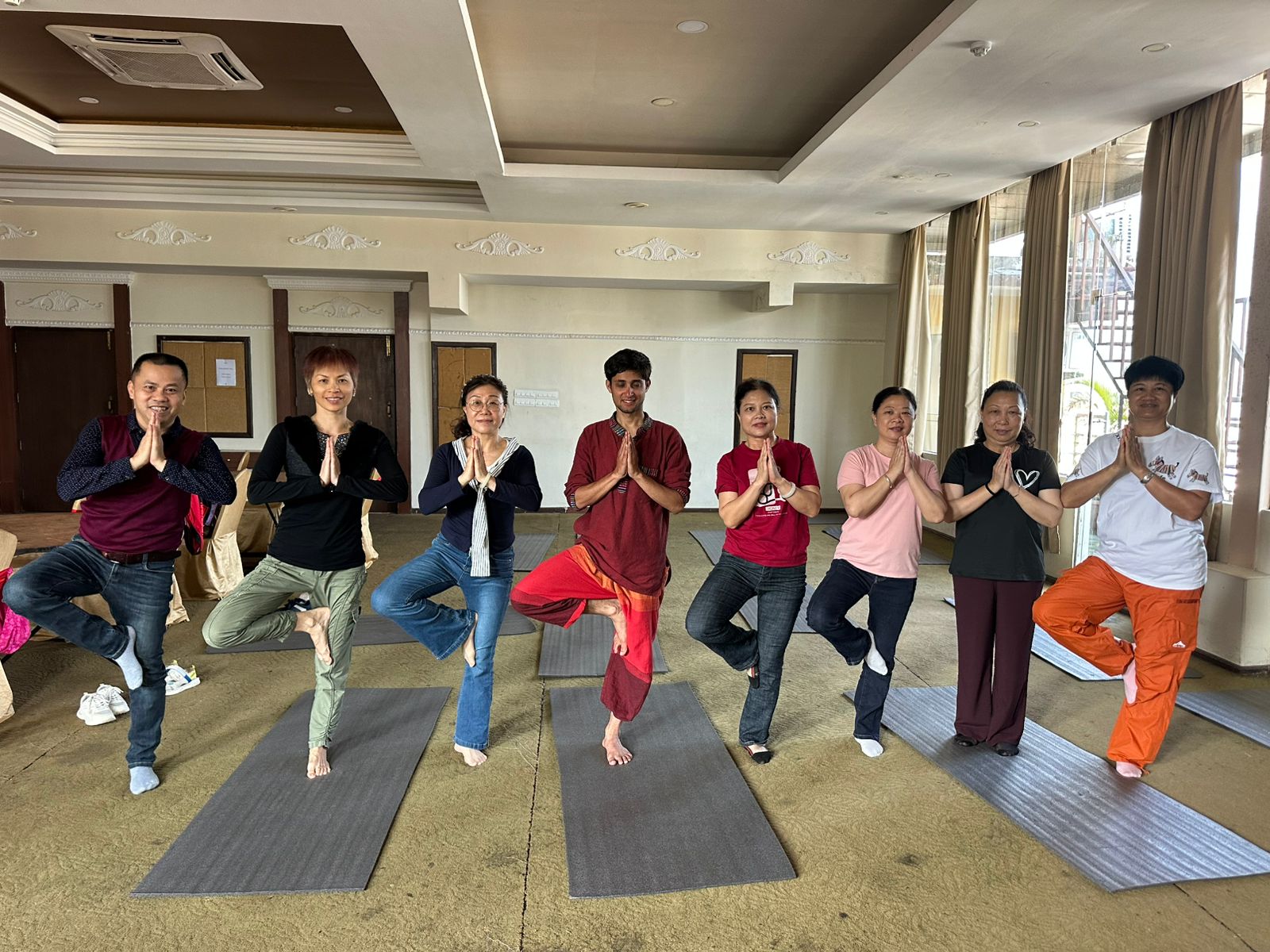
It's well known that yoga and trekking each have their own wonderful benefits for the mind and body. Yoga brings inner peace, flexibility, and breath control, while trekking offers physical endurance, adventure, and immersion in nature. But have you ever thought about combining the two? If you've ever wondered what that experience might offer, you're in for a truly transformative treat.
In my years of running Shiva Shakti Yoga Treks in Nepal, I've welcomed people of all ages, backgrounds, and experience levels—from seasoned yogis to complete beginners, and from first-time trekkers to experienced mountaineers. What I hear time and time again from my clients is that the daily yoga sessions were not just an add-on, but a highlight and an unforgettable part of their entire journey.
Practicing yoga on the trails of the Annapurna region offers a rare chance to reflect inward, listen to your body, and express gratitude for what you've achieved each day. Stretching out tired legs, aching hips, and sore shoulders after a long day of walking brings a deep sense of relief and relaxation that no massage alone can match. Many clients have said how different—and more profound—the experience of doing yoga in nature feels compared to a sterile studio or their living room at home.
For those new to yoga, the trek often inspires them to continue practicing once they return home. For experienced practitioners, it deepens their connection to the practice in a way they never expected. What better way to start—or deepen—your yoga journey than in the shadow of the world's highest peaks?
8 Powerful Ways Yoga Benefits Your Trekking Experience
1. Reduces Risk of Injury
We all know the importance of stretching before physical activity, but how many of us actually do it properly before a long hike? On a Shiva Shakti yoga trek, you don't have to think about it. Our daily morning sessions prepare your body for the day's walk, loosening tight hips, hamstrings, and lower backs. Evening sessions release the tension accumulated during the day's trek.
This consistent practice helps increase body awareness, allowing you to tune into your strengths and limitations. You'll learn to recognize when to rest, how to pace yourself, and how to avoid overexertion—significantly reducing the risk of post-hike soreness, muscle strains, and common trekking injuries like knee pain or ankle twists.
2. Decreases Stress and Anxiety
Yoga is world-famous for its stress-reducing benefits, helping us manage emotions amidst life's fast pace. But practicing yoga in the peaceful silence of the Himalayas takes this to another level. Trekking in nature naturally slows us down. There are no emails, no notifications, no traffic jams.
When you combine this with daily pranayama (breathing exercises) and meditation, you return home feeling more grounded, refreshed, and emotionally balanced than you have in years. A yoga trek doesn't just give you a vacation—it gives you practical tools to handle stress more calmly in your daily life long after you've returned home.
3. Improves Lung Capacity for High Altitude
Trekking through different terrains and reaching higher altitudes (up to 4,500 meters on our Mardi Himal trek) can challenge your breathing. The air gets thinner, and simple walks become more tiring. But yoga teaches powerful breathing techniques (Pranayama) that can help calm your nervous system, increase your lung capacity, and improve your body's oxygen efficiency.
Our instructors teach you specific practices like alternate nostril breathing (Nadi Shodhana) and victorious breath (Ujjayi) that help with altitude acclimatization. These techniques make it easier to pace yourself, preserve energy, maintain a positive mindset, and stay comfortable even at higher elevations. Many of our clients credit daily Pranayama with helping them reach Annapurna Base Camp without altitude sickness symptoms.
4. Increases Flexibility for Challenging Terrain
Yoga improves flexibility, which can be incredibly helpful—and even safety-enhancing—while trekking. You may need to navigate tight spaces between rocks, climb large stone steps (like the famous 3,200 steps to Ulleri on the Poon Hill trek), balance across narrow suspension bridges, or move across uneven, slippery terrain.
Being more flexible makes these movements easier on your body, reduces your risk of falls, and helps you navigate challenging trails more smoothly and confidently. The regular stretching also means you wake up each morning feeling less stiff and more ready for the day ahead, rather than hobbling out of your teahouse bed.
5. Provides Deep Rest and Recovery with Yoga Nidra
One of the most beloved aspects of our treks is the evening Yoga Nidra session. After 5-7 hours of walking, your body is tired, and your mind is processing the intensity of the day. Yoga Nidra (yogic sleep) is a guided deep relaxation practice that allows your body to rest at a level deeper than regular sleep.
In just 30-40 minutes, you can achieve the equivalent rest of 2-3 hours of normal sleep. This is especially valuable at higher altitudes where sleep can be difficult due to thinner air. Our clients consistently report waking up feeling refreshed, energized, and ready to trek again, even after sleeping poorly at high camp.
6. Enhances Body Awareness and Mindfulness
Yoga teaches you to listen to your body—to know the difference between good pain (muscle stretch) and bad pain (injury warning). This heightened body awareness is invaluable on the trail. You'll notice when you're pushing too hard, when you need water, when your pack is unbalanced, or when you need to rest.
This mindfulness extends beyond the physical. You'll find yourself more present to the beauty around you—the sound of the river, the color of the rhododendrons, the smile of a passing child. The trek becomes not just a walk, but a moving meditation.
7. Builds Mental Strength and Resilience
Trekking is as much mental as it is physical. There will be moments of fatigue, doubt, and discomfort. The mental discipline cultivated through yoga—the ability to stay present, breathe through difficulty, and maintain a positive mindset—directly translates to the trail.
The meditation practices teach you to observe thoughts and emotions without being controlled by them. When you feel tired or discouraged on the trek, you have tools to shift your mindset, focus on your breath, and keep moving forward one step at a time.
8. Creates a Wellness and Adventure Holiday in One
Most holidays force you to choose between relaxation and adventure. A yoga trek gives you both. You wake up with gentle morning stretches and breathing exercises, spend your day trekking through rhododendron forests, bamboo groves, and alpine meadows, and end your evening with guided Yoga Nidra as the sun sets behind snow-capped peaks.
This unique combination offers one of the most rejuvenating holidays possible, nourishing your body, calming your mind, and uplifting your spirit—all in one unforgettable journey.
Practicing Yoga in Nature: A Dream Come True
For yoga lovers, practicing in nature is a dream come true! Imagine unrolling your mat on a grassy hillside as the first rays of sunlight hit Annapurna South. Picture yourself in downward dog on a teahouse rooftop with Machhapuchhre (Fishtail Mountain) towering directly behind you. Envision a peaceful meditation by the side of Phewa Lake in Pokhara, or a gentle flow in a meadow surrounded by blooming rhododendrons.
These are not fantasies—they are daily realities on a Shiva Shakti yoga trek. It's truly a once-in-a-lifetime experience that will transform how you think about your practice.
What Our Clients Say
The morning yoga sessions with the sunrise over the Annapurnas were absolutely magical. I came for the trekking, but the yoga was what made this trip unforgettable. Shiva Shakti's instructors are knowledgeable, kind, and adapted every session to how our bodies were feeling that day. - Sarah J., Australia
I was nervous about altitude sickness on the ABC trek, but the breathing techniques we learned in Pranayama made a huge difference. I reached base camp feeling strong and calm. Thank you, Shiva Shakti! - David C., Canada
As a complete beginner to both yoga and trekking, I was intimidated. But our guide and yoga teacher were so patient and encouraging. The evening Yoga Nidra sessions saved my tired legs every single day. I'm already planning my next trek with them. - Emma W., United Kingdom
Ready to Experience the Benefits Yourself?
Yoga can transform your trekking experience, whether you're a beginner stepping onto a mat for the first time or an advanced practitioner looking to deepen your sadhana. If you're ready to embark on a fulfilling yoga trek through some of the most beautiful landscapes in the world, check out our upcoming treks:
Poon Hill Yoga Trek (4-7 days) – Perfect for beginners, stunning sunrise views over Annapurna and Dhaulagiri
Mardi Himal Yoga Trek (6-7 days) – More challenging, incredible close-up views of Machhapuchhre and Annapurna South
Annapurna Base Camp Yoga Trek (7-9 days) – The classic Himalayan journey into the heart of the Annapurna Sanctuary
Contact Shiva Shakti Yoga Treks today and let us help you create the adventure of a lifetime—one breath, one step, one unforgettable moment at a time.
Namaste from the Himalayas! 🙏🏔️